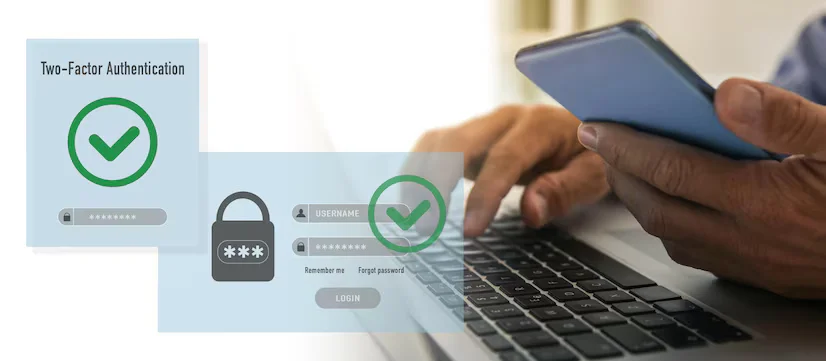
In today’s increasingly digital world, cybercrime is on the rise, and personal data security is more important than ever. One crucial way to protect your online accounts from hackers is by using two-factor authentication (2FA). Two-factor authentication is an extra layer of security that requires not only a password and username but also something that only the user has on them, i.e., a piece of information only they should know or have access to. This can be a code sent to their mobile device, a biometric like a fingerprint, or a physical token.
Why Two-Factor Authentication Matters More Than Ever
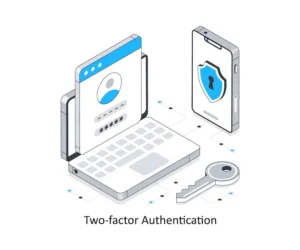
With the growing number of data breaches and cyber-attacks, relying on just passwords to keep your accounts secure is no longer enough. Passwords can easily be guessed or stolen, leaving your sensitive information vulnerable to hackers. Two-factor authentication adds an extra layer of protection, making it significantly more difficult for unauthorized users to access your accounts.
Benefits of Two-Factor Authentication
1. Enhanced Security:
Two-factor authentication provides an additional barrier against unauthorized access, significantly reducing the risk of identity theft and data breaches.
2. Peace of Mind:
Using 2FA allows users to feel more secure knowing that even if their password is compromised, hackers would still need the second form of authentication to access their accounts.
3. Compliance:
In certain industries, such as finance and healthcare, two-factor authentication is required by regulatory bodies to ensure the protection of sensitive information.
4. Prevention of Account Takeover:
By adding an extra layer of security, 2FA helps prevent unauthorized users from taking over your accounts, even if they manage to obtain your password.
FAQs About Two-Factor Authentication
1. What are the different types of two-factor authentication methods?
There are several types of 2FA methods, including SMS verification codes, authentication apps like Google Authenticator, biometric verification (e.g., fingerprint or facial recognition), and hardware tokens.
2. Is two-factor authentication foolproof?
While two-factor authentication significantly enhances security, it is not entirely foolproof. Hackers can still potentially bypass 2FA through techniques like phishing attacks or social engineering. However, 2FA remains a powerful tool in preventing most unauthorized access.
3. How do I set up two-factor authentication on my accounts?
Setting up 2FA varies depending on the platform or service. In general, you can enable 2FA in your account settings, which will prompt you to choose a secondary method of verification, such as receiving a code via SMS or using an authentication app.
4. Why do some people hesitate to use two-factor authentication?
Some users may find two-factor authentication inconvenient or time-consuming, as it adds an extra step to the login process. However, the added security benefits far outweigh the minor inconvenience of entering an additional code.
5. Can two-factor authentication be hacked?
While no security measure is completely impervious to hacking, two-factor authentication significantly raises the bar for attackers. With 2FA in place, hackers would need not only your password but also access to your secondary verification method, making it much more challenging to compromise your accounts.
In Conclusion,
Two-factor authentication is a vital tool in safeguarding your online accounts and sensitive information in today’s digital landscape. By adding an extra layer of security beyond just passwords, 2FA significantly reduces the risk of unauthorized access and data breaches. With cybercrime on the rise, implementing two-factor authentication is more essential than ever to protect yourself and your valuable information online. Remember, it is always better to be safe than sorry when it comes to cybersecurity.