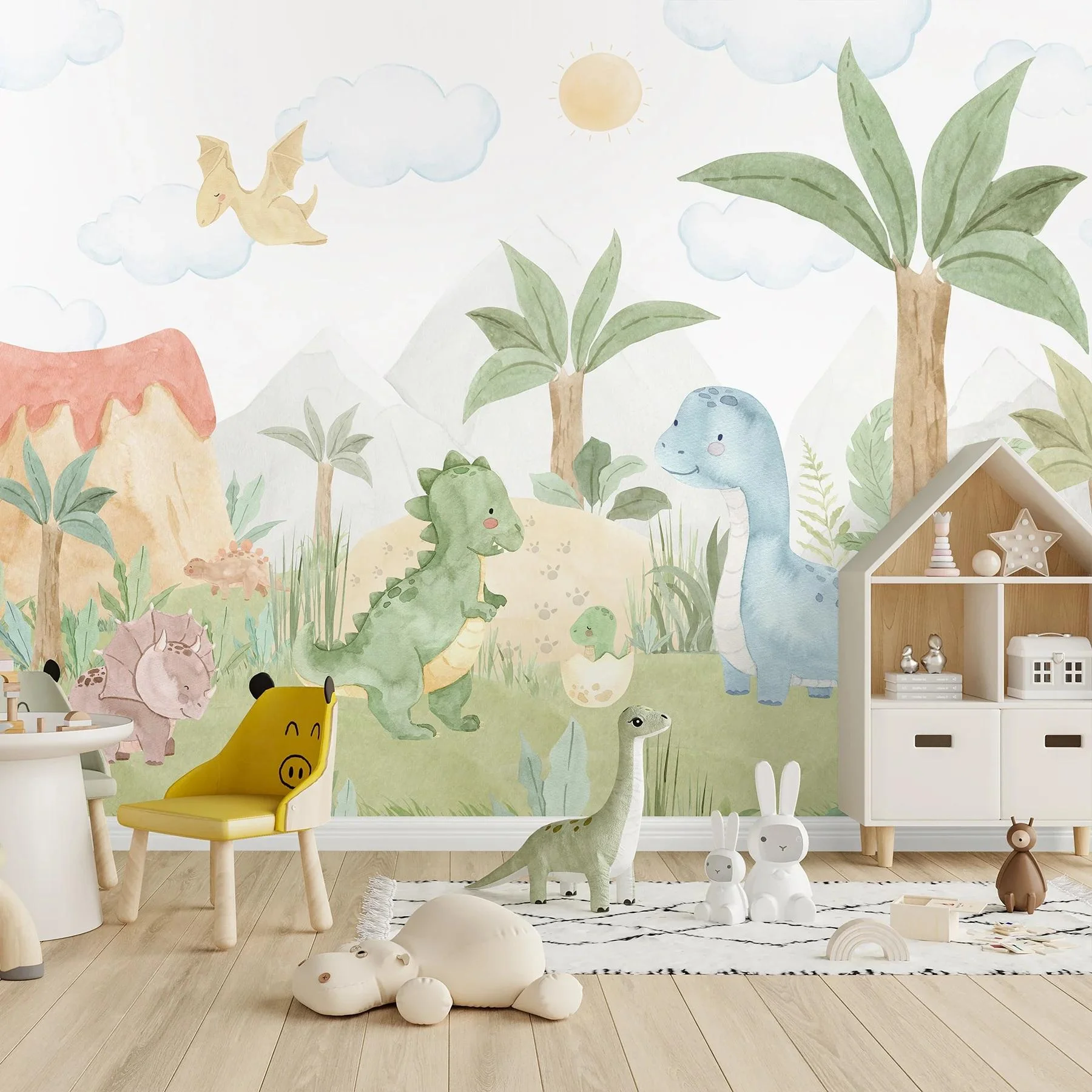
Designing a nursery is exciting, but children grow quickly and their rooms often need to change with them. A space designed entirely around the newborn stage may feel outdated only a few years later. One way to create more flexibility is to keep expensive furniture and major finishes relatively timeless while using easily changeable elements for personality. Peel and stick nursery wallpaper can be particularly useful because it allows parents to introduce color and pattern without making the wall design feel like a permanent decision.
With the right approach, a nursery can transition into a toddler’s room and later into a young child’s bedroom with relatively small updates.
Start With a Flexible Base
The largest and most expensive elements in the room should ideally work beyond the baby years.
Instead of choosing furniture that is strongly themed, consider simple pieces in natural wood, white, or another versatile finish. A dresser can continue to provide storage after a changing station is no longer necessary, while shelving can move from baby supplies to books and toys.
The same principle can apply to flooring, curtains, and larger rugs.
Keeping these elements flexible allows decorative details to change without redesigning the entire room.
Let the Walls Create the Theme
Walls offer an opportunity to give a nursery personality without filling the space with themed furniture and accessories.
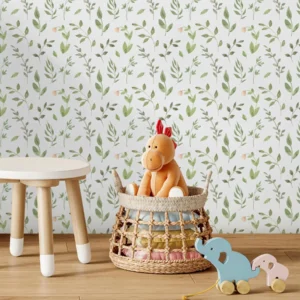
Peel-and-stick wallpaper can introduce florals, animals, forests, stars, abstract shapes, or other playful designs.
A feature wall behind the crib is a popular option, but wallpaper can also work behind a dresser, reading area, or future bed.
Using wallpaper on one main wall makes the design visually important while allowing the rest of the room to remain neutral. When the child’s interests change, replacing one decorative surface can transform the room much more easily than replacing furniture.
Choose Themes With Room to Evolve
Some nursery themes can work well beyond infancy.
Nature is a good example.
Forests, flowers, mountains, oceans, and animals can feel appropriate in a baby’s room without necessarily becoming too childish after a few years.
An ocean-inspired room, for instance, does not have to rely on cartoon fish and bright primary colors. A more sophisticated underwater wallpaper can create an imaginative setting using marine life, soft aquatic colors, or detailed underwater scenes.
As the child grows, baby accessories can be replaced with books, artwork, bedding, and toys while the broader theme continues to work.
Consider Color Beyond Traditional Nursery Palettes
Nurseries do not need to be limited to pale pink, baby blue, or beige.
Muted green, terracotta, warm yellow, dusty blue, sage, lavender, and other colors can create a child-friendly atmosphere while remaining suitable for later years.
Wallpaper can provide several coordinating colors within one design. Parents can then select one or two of those shades for bedding, rugs, curtains, and accessories.
This creates a cohesive room without requiring everything to match exactly.
It also makes future updates easier because new décor can draw from different colors already present in the wall design.
Think About Pattern Scale
Pattern scale can significantly affect the atmosphere of a nursery.
Small repeating motifs often create a gentle background, while large florals, animals, or scenic murals make the wall a stronger focal point.
For a room intended to evolve with the child, consider whether the pattern will still feel appropriate several years later.
A large botanical design or detailed ocean scene, for example, may have greater longevity than a pattern based entirely on baby-specific imagery.
The goal does not have to be creating a room that works until the teenage years. Even extending the design through early childhood can reduce unnecessary redecorating.
Create Zones That Can Change Function
A nursery typically contains several functional areas: sleeping, changing, storage, feeding, and eventually play.
These areas will change over time.
A feeding corner with a comfortable chair may later become a reading space. A changing station can become ordinary storage. Floor space used for a play mat may eventually hold a small table or desk.
When planning wallpaper placement, think about these future changes.
A feature wall that works behind a crib should ideally also look appropriate behind a toddler bed or another piece of furniture later.
Use Accessories for Age-Specific Details
The easiest elements to replace should carry the most age-specific decoration.
Mobiles, toys, cushions, blankets, prints, baskets, and small decorative objects can make the room feel appropriate for a baby without defining the entire interior.
As the child grows, these items can gradually be replaced.
This approach allows the room to evolve in stages rather than requiring one major redesign.
Peel-and-stick wall coverings support the same philosophy: decorative impact without treating every design decision as permanent.
Keep Practicality in Mind
A nursery needs to work as a functional space, not just look attractive.
Furniture placement should allow easy movement, frequently used items should be accessible, and the room should have enough storage to prevent unnecessary clutter.
Wall treatments should also be selected and installed according to the manufacturer’s instructions, with the wall properly prepared before application.
As with any nursery design, furniture and decorative elements should be arranged with age-appropriate safety considerations in mind as the child becomes more mobile.
Design for Change From the Beginning
A nursery that grows with a child does not need to be completely neutral or lacking personality.
The key is deciding which elements should remain and which can change.
Versatile furniture provides the foundation. Peel-and-stick wallpaper can establish a distinctive theme, while textiles, artwork, toys, and accessories allow the room to adapt to each new stage.
By planning for change from the beginning, parents can create a nursery that feels special during the baby years while remaining flexible enough to become a comfortable and imaginative bedroom as their child grows.